
Energy & equipment
High bills, fouled coils, refrigeration cycling, aging fixtures, and lights running in empty rooms can point to opportunities worth measuring.
 Call Now
Energy & operations advisory
Find where energy, staff time, and supplies are being lost. Net Positive starts with your facility, establishes a baseline, and designs a focused pilot so you can evaluate results before scaling.
Commercial facilities · (561) 906-1964
What we hear from facility leaders
High bills, fouled coils, refrigeration cycling, aging fixtures, and lights running in empty rooms can point to opportunities worth measuring.
Hard-to-staff routes, repeated training, varying cleaning quality, and incomplete records make it difficult to know where time is going.
Recurring odors and damp conditions need source investigation: humidity, wet coils, drains, leaks, and ventilation—not simply another fragrance.
How we help
One assessment connects energy and operations, with a business case and defined pilot before wider investment.
Assess energy used to cool, refrigerate, and light your facility. Prioritize HVAC coil care, refrigeration controls, and LED lighting around a documented baseline. Explore energy efficiency →
Build more consistent, documented routines around the team you have. Evaluate cleaning robots, on-demand chemistry, disinfection methods, and recurring odor sources. Explore operational efficiency →
How we work with you
Each step provides a basis for the next decision. Recommendations and rollout depend on what your facility’s data supports.
Where this applies
The assessment determines the appropriate application, equipment, and operating procedure.
Review walk-in and HVAC operation, coil UV-C, kitchen and dining-area LED lighting, and ice-machine UV-C.
Evaluate on-demand cleaning chemistry and label-appropriate treatment of preparation and touch surfaces.
Assess HVAC coil UV-C and LED lighting with occupancy controls.
Trial corridor floor-care robots; review room disinfection procedures and documented SOPs with the facility team.
Review LED retrofits, lighting controls, and HVAC coil condition and UV-C suitability.
Trial robots in lobbies and back-of-house; investigate mold, must, and odor sources in guest rooms.
Assess refrigeration cases, coolers, rooftop HVAC, and high-bay LED lighting. Includes grocery and convenience stores.
Evaluate autonomous scrubbers for large floors and documented standards across sites.
Review LED lighting, controls, and on-coil UV-C across air handlers.
Assess robotic floor care and appropriate surface-treatment routines; investigate odor and moisture in locker rooms and storage.
Pillar 01
Start with coil condition, refrigeration cycling, lighting hours, and energy use by system. Choose upgrades based on the measured opportunity.
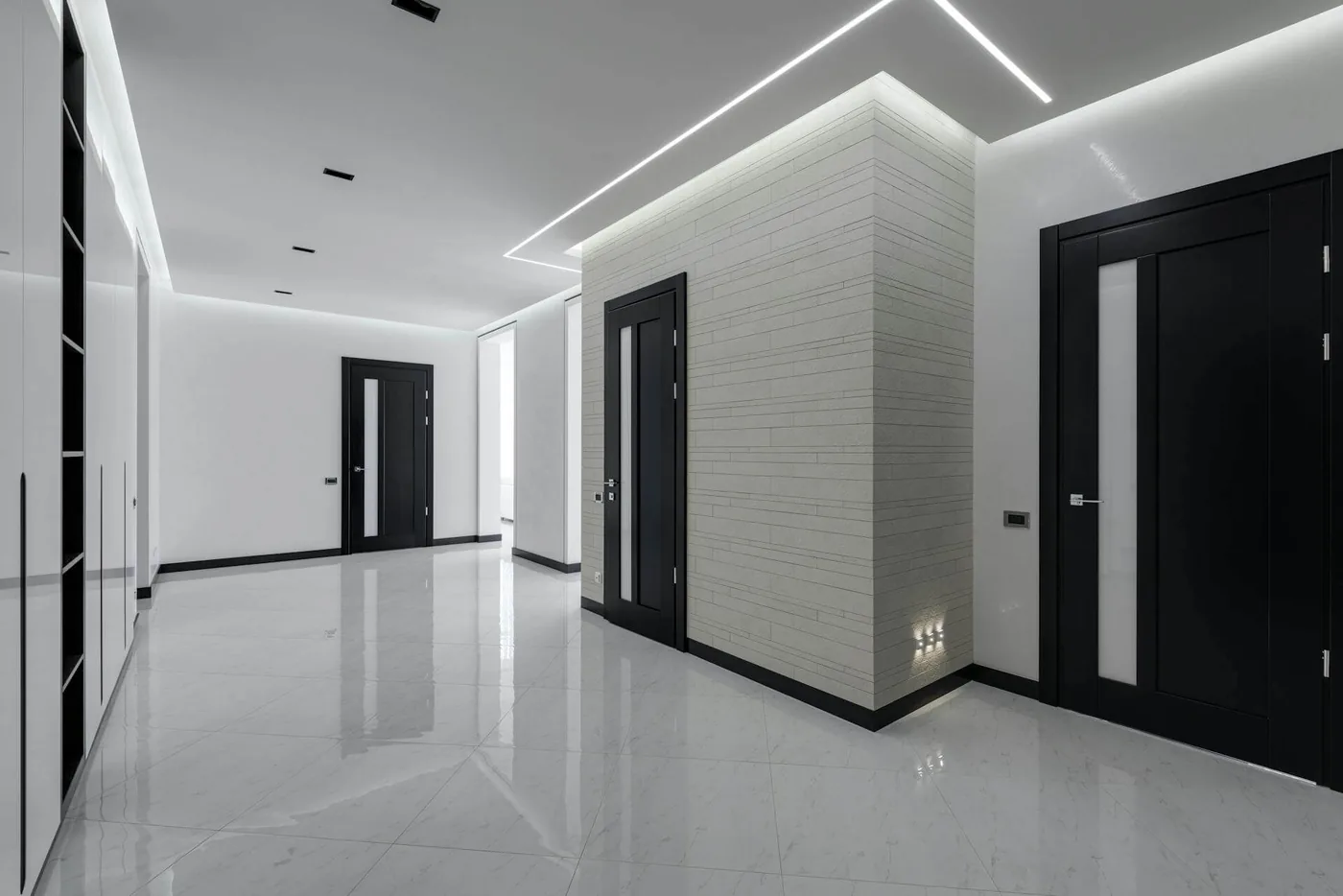
Use efficient fixtures, occupancy controls, and schedules to cut unnecessary lighting hours.
Explore LED lightingAssess coil condition and operating hours, then evaluate targeted HVAC UV-C against an energy and maintenance baseline.
Explore HVAC efficiencyAssess VMF with Smart Compressor Control for compatible commercial HVAC and refrigeration. Verify results through a measured pilot.
Explore FalkonAirHelp control slime and biofilm on exposed surfaces, alongside required cleaning and descaling.
Explore Ice machine UV-CA passive probe retrofit that responds to food-like temperature changes rather than brief air fluctuations.
Explore CUES refrigerationPillar 02
Start with labor hours, chemical use, cleaning records, and recurring moisture or odor complaints. Trial changes against the current routine.
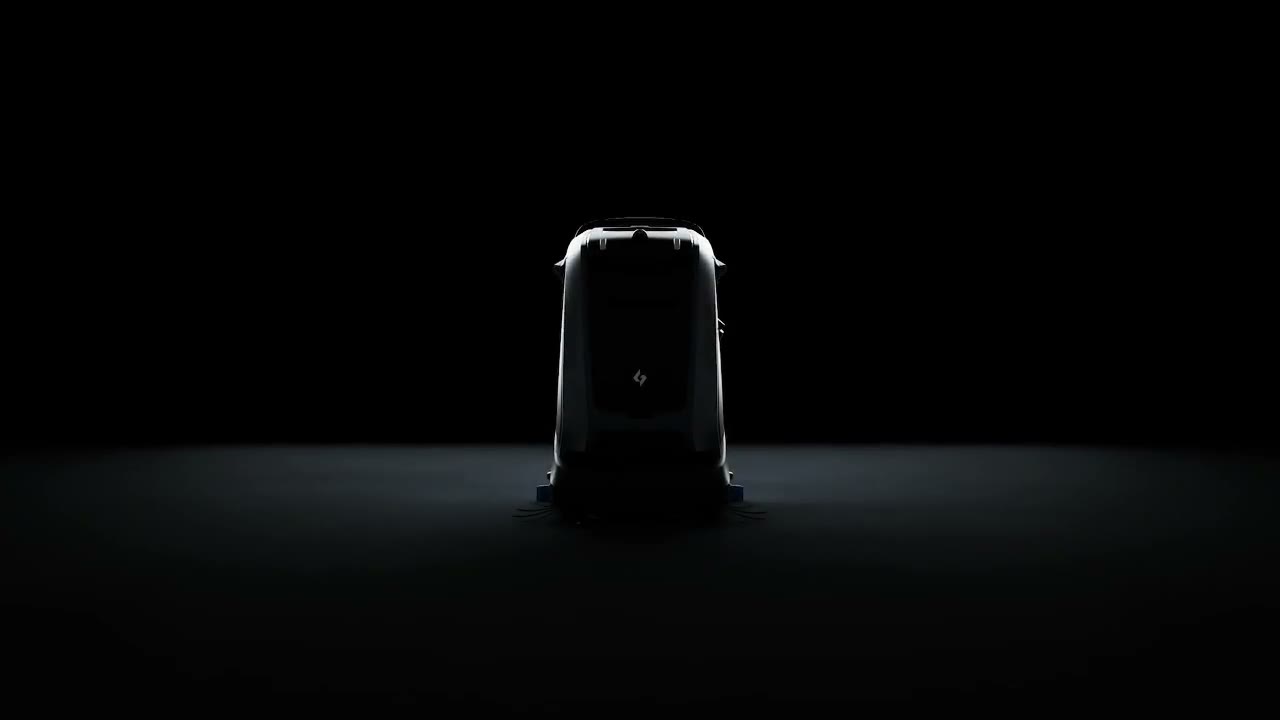
Automate suitable floor routes in lobbies, hallways, dining areas, and warehouses.
Explore AI cleaning robotsWatch robotics video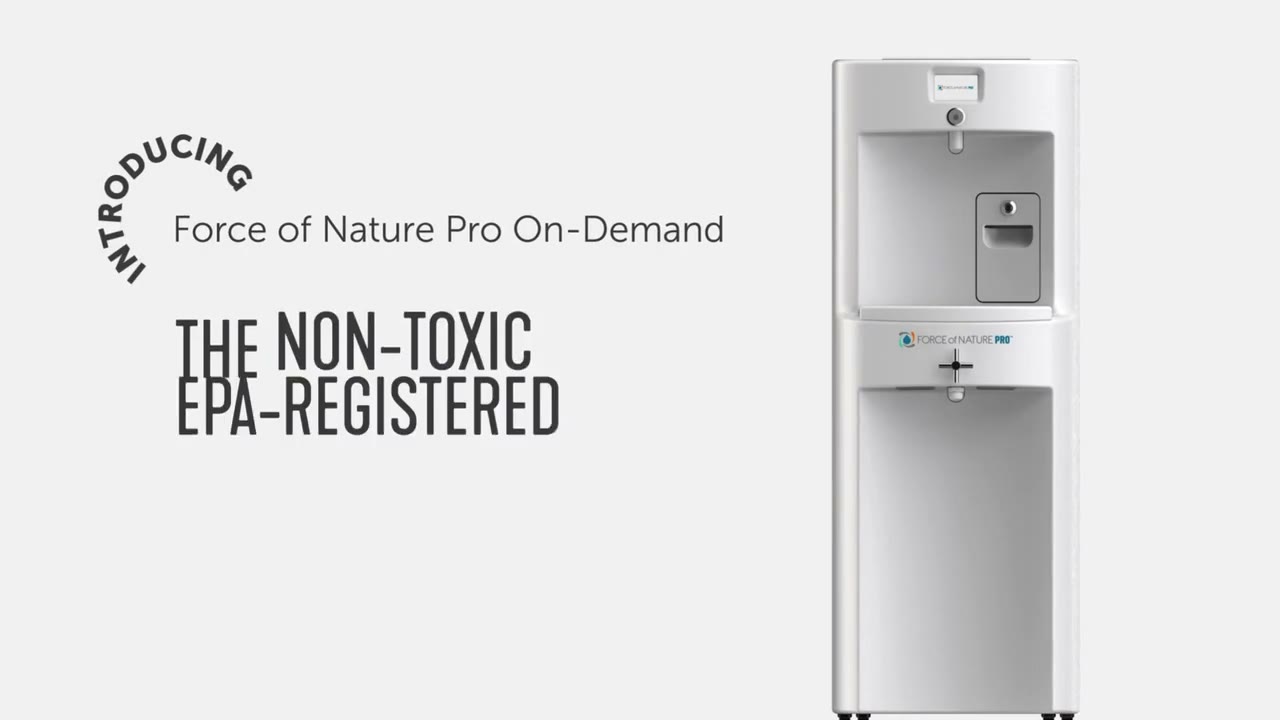
Force of Nature, sprayers, foggers, and a practical review of Penetrix and FreshGuard for your application.
Explore Cleaning & disinfectionWatch cleaning videoReview recurring odors, humidity, wet HVAC coils, drains, leaks, and ventilation with your facility team. Active mold growth is referred to licensed remediation. Explore source investigation →
Evidence & resources
Manufacturer documentation informs product selection. Your facility’s baseline and pilot results determine the business case.
Review the probe retrofit and food-simulant mechanism, subject to model and application fit. CUES product sheet (PDF) →
Cognituv describes on-coil treatment and monitoring. Read Cognituv documentation →
CognitUV brochure coming soon.
Product specifications and compatibility remain subject to documentation review and equipment assessment.
Manufacturer test results identify EPA registration 93040-1. Use the current product label for directions. Review manufacturer results →
Common questions
Start with a no-obligation facility assessment. Define goals, establish an energy and operations baseline, and outline a pilot with clear success measures before considering a wider rollout.
No. HVAC and ice-machine UV-C can help control microbial growth on properly exposed surfaces. Filters, coil maintenance, ice-machine descaling, and required cleaning and sanitizing remain part of the routine.
CUES fits over a compatible thermostat probe. A food-safe wax simulant slows the probe’s response to short-lived air temperature changes, helping the refrigeration system respond more like stored food.
Compare a documented baseline with post-installation results under comparable conditions. Include energy use, maintenance, consumables, operating hours, and equipment costs; outcomes depend on the facility.
Cleaning robots can handle suitable repeatable floor routes. Staff still handle preparation, edges, spills, detailed cleaning, refills, and machine care. A trial helps establish the actual labor time available for other work.
Start a conversation
Work with Mark Lombardo to establish your energy and operations baseline, prioritize the two or three changes most worth evaluating, and outline a pilot with clear success metrics. Where data is missing, agree a measurement plan.
Call (561) 906-1964Email Mark Lombardo: mark@netpositive-me.com
Prepare your assessment email below, then choose “Open email app.” Review and send it to mark@netpositive-me.com in your email app. This website does not send email or book an appointment. If no email app opens, copy the summary into an email to Mark, or call. Your entries are not saved by this site.
Opening your email app does not send the request. Review the draft and press Send there. For long summaries or email apps that do not open, copy the text into an email to mark@netpositive-me.com.